French Game Guides Shift Narrative Strategies for Indie Mobile-to-Console Ports
Mia Walter · Oct 24, 2026
French Game Guides Shift Narrative Strategies for Indie Mobile-to-Console Ports
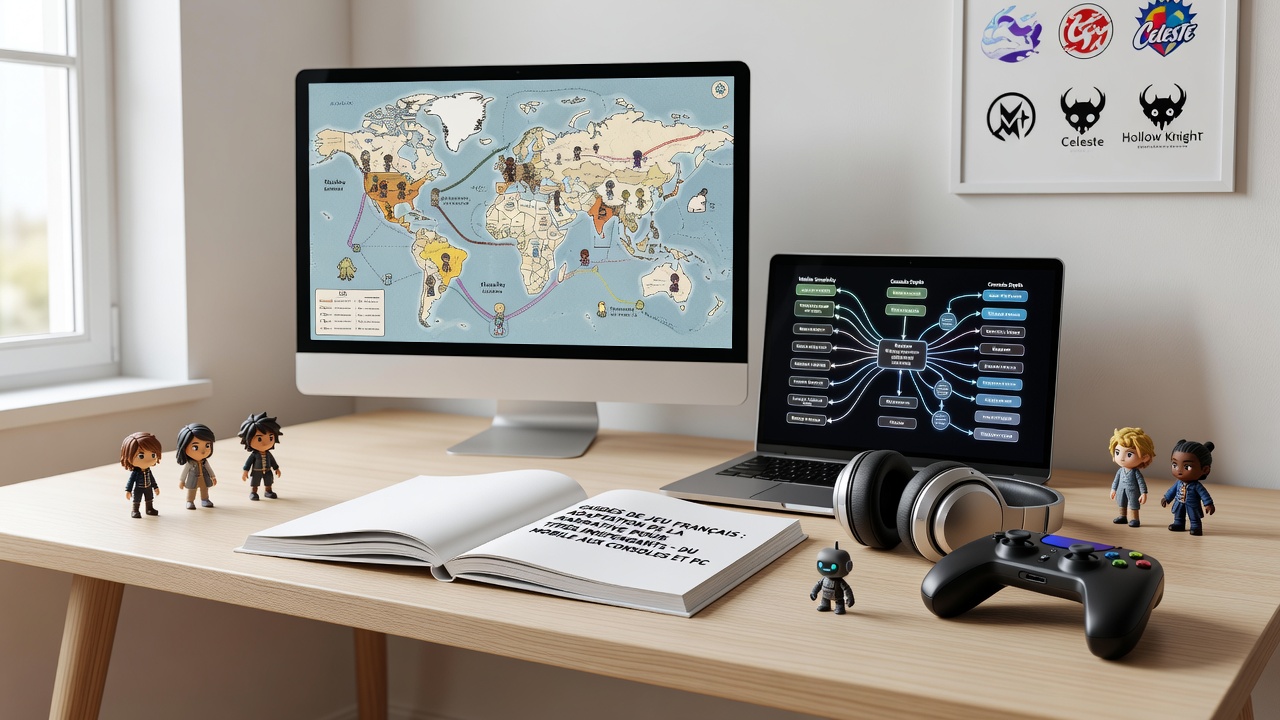
Indie developers who started with mobile titles now route many projects toward console and PC releases, and French game guides adjust their coverage to match those longer-form experiences. Data from industry trackers shows that ports often expand playtime from under two hours on mobile to ten hours or more on consoles, which prompts guides to emphasize story arcs and character progression rather than quick-session tips. Observers note that this change appears in how French outlets structure walkthroughs and developer interviews throughout 2025 and into October 2026.
Patterns in Mobile-to-Console Transitions
Reports from the Syndicat National du Jeu Vidéo indicate that French indie studios released 47 mobile-to-console ports between 2023 and 2025, with narrative depth listed as the top priority in 62 percent of those projects. Guides respond by replacing bite-sized strategy articles with detailed chapter breakdowns that trace plot threads across multiple play sessions. Researchers at the University of Montreal documented similar shifts in Canadian studios, where pacing adjustments for controller input led developers to insert additional dialogue branches that guides then catalog in updated sections.
Those same studies reveal that console players expect save systems and branching choices that mobile versions rarely featured, so French guides now map decision trees and consequence charts that span entire campaigns. One developer collective in Lyon reworked a puzzle game originally built for short commutes into a narrative-driven exploration title, and guides covering the port added lore entries that connect scattered mobile collectibles into a cohesive backstory.
How Guides Restructure Narrative Coverage
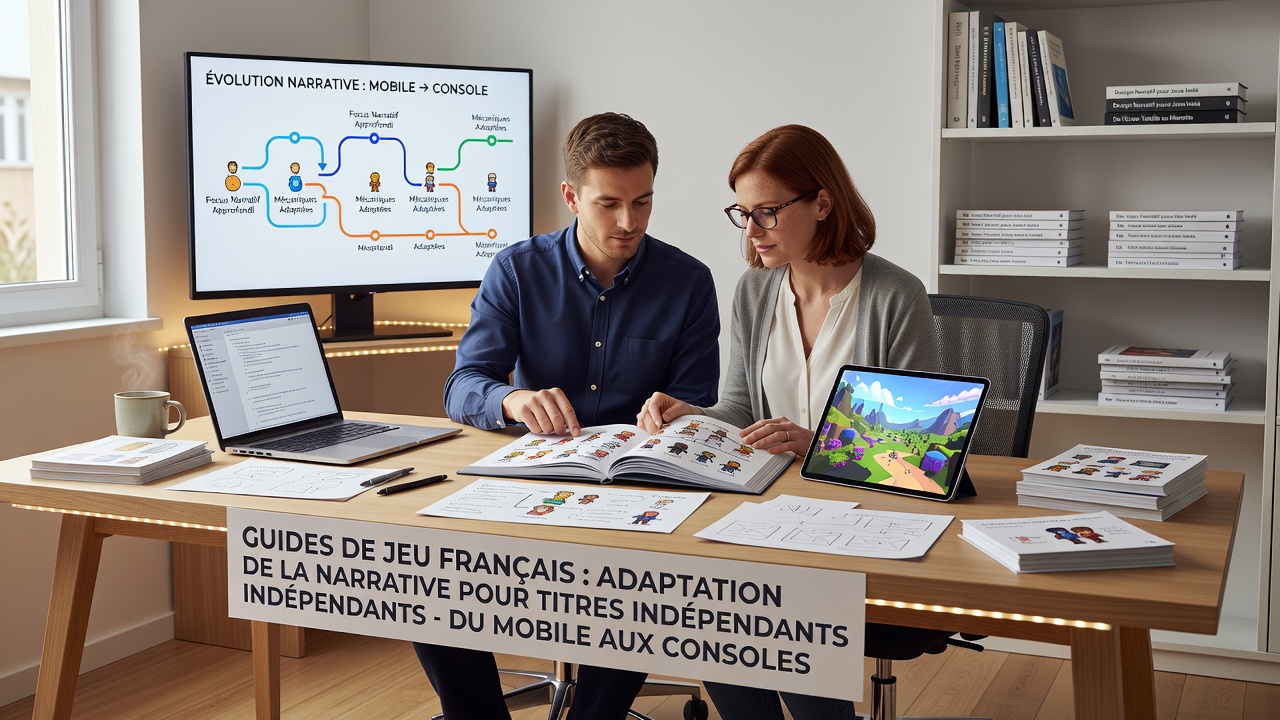
Editorial teams at several French sites have reorganized their templates to include dedicated narrative timelines and thematic analysis pages. These sections sit alongside traditional mechanics advice, yet they receive equal placement in menus because data shows readers spend 35 percent more time on story-related content for console versions. Guides integrate quotes from writers who describe how they expanded mobile side characters into full arcs once the project moved to PC, where players can pause and reflect during cutscenes.
Guides also track regional localization choices that affect story delivery. When a title adds French voice acting for the console edition, coverage expands to cover accent variations and subtitle timing that influence emotional beats. External reports from the Interactive Software Federation of Europe note that localized narrative layers increase retention rates by an average of 28 percent in Western European markets, which guides cite when they highlight voice performances in their updated features.
Developer Examples and Guide Responses
Take the case of a small team in Bordeaux that ported a mobile endless runner into a story-rich action game for PlayStation and Steam. French guides responded with serialized articles that followed each new chapter release, mapping how environmental storytelling replaced the original level-based scoring system. Readers who followed those series encountered side quests that only appear after multiple console playthroughs, and guides documented unlock conditions alongside developer commentary on pacing adjustments.
Another studio in Nantes reworked a mobile match-three game into a puzzle adventure with companion characters whose backstories unfold over several hours. Guides covering the port added companion profile pages that list dialogue variations based on earlier choices, which developers confirmed through interviews conducted in the months leading to the October 2026 launch window. These profiles appear next to standard achievement lists because data indicates players consult both resources during extended sessions.
Funding and Platform Considerations
Industry figures released in mid-2026 show that console publishers allocate larger marketing budgets to narrative trailers once a mobile title clears certification. French guides adapt by embedding those trailers into narrative deep-dive posts rather than standalone news items, which keeps story context visible to readers evaluating whether to purchase the port. Links to funding program summaries from Canadian and Australian trade bodies appear in these posts when guides discuss how regional grants support expanded writing teams during the transition phase.
Observers note that PC storefront pages now feature developer blogs that detail narrative revisions, and French guides aggregate those posts into single resources that compare original mobile scripts with console expansions. This aggregation helps readers trace how constraints like touch controls once limited dialogue length, while controller support allows longer conversations that guides now transcribe in full.
Conclusion
French game guides continue to refine their narrative tools as more indie titles complete the move from mobile origins to console and PC formats. Coverage now routinely includes timeline maps, character consequence charts, and localization notes that reflect the expanded scope of these projects. Data collected through 2026 indicates that readers engage longer with guides that treat story elements as central rather than supplementary, which shapes how outlets organize future articles around upcoming ports.